Author: admin

  • Energy Became a Tool of Pressure

    Energy Became a Tool of Pressure

    Underground Water Pipe System illustration

    Energy moved to the center of global politics in 2022. Gas, oil and electricity were no longer viewed only as economic resources, but also as strategic tools capable of influencing governments and entire populations. The war in Ukraine intensified existing tensions and forced many countries to rethink long-standing assumptions about energy security and dependence.
    European countries in particular faced enormous pressure as energy prices surged. Governments rushed to secure alternative gas supplies, reopen energy debates and prepare for possible shortages during winter. Consumers experienced rising heating and electricity bills, while businesses worried about manufacturing costs and economic slowdown. Discussions about renewable energy also gained urgency as leaders searched for ways to reduce reliance on unstable external sources.
    The crisis exposed how deeply interconnected global energy systems had become. Decisions made in one region quickly affected prices and supply chains elsewhere. Political alliances, infrastructure projects and environmental goals all became tied to the question of energy access.
    At the same time, the crisis accelerated conversations about long-term transition strategies. Some countries invested more aggressively in renewable technologies, while others temporarily returned to older energy sources in order to stabilize supply. Energy was no longer simply about economics — it had become a central issue of national security and geopolitical influence.
  • Inflation Became Political Again

    Inflation Became Political Again

    Inflation isolated word text illustration

    For years, inflation had seemed like a manageable economic issue in many developed countries. In 2022, however, rising prices became impossible to ignore. Food, fuel, electricity and housing costs increased rapidly, affecting daily routines and personal finances across the world. What had previously been discussed mostly by economists suddenly became part of ordinary conversations at supermarkets, gas stations and family dinner tables.
    Several factors contributed to the situation at once. The economic disruption caused by the pandemic had already strained global supply chains, while the war in Ukraine added further pressure to energy and food markets. Transportation costs increased, shortages affected manufacturing and businesses passed higher expenses on to consumers. Central banks responded by raising interest rates, hoping to slow inflation without pushing economies into recession.
    The return of inflation also changed political debates. Governments faced growing criticism over the cost of living, while workers in many industries demanded higher wages to keep up with rising expenses. Public frustration increased as people realized that salaries often failed to match the pace of price increases.
    Beyond economics, inflation affected social mood and long-term confidence. Many households became more cautious about spending, investment and future planning. The crisis reminded people how quickly global instability can influence even the most ordinary parts of daily life.

  • The War in Ukraine Changed Europe

    The War in Ukraine Changed Europe

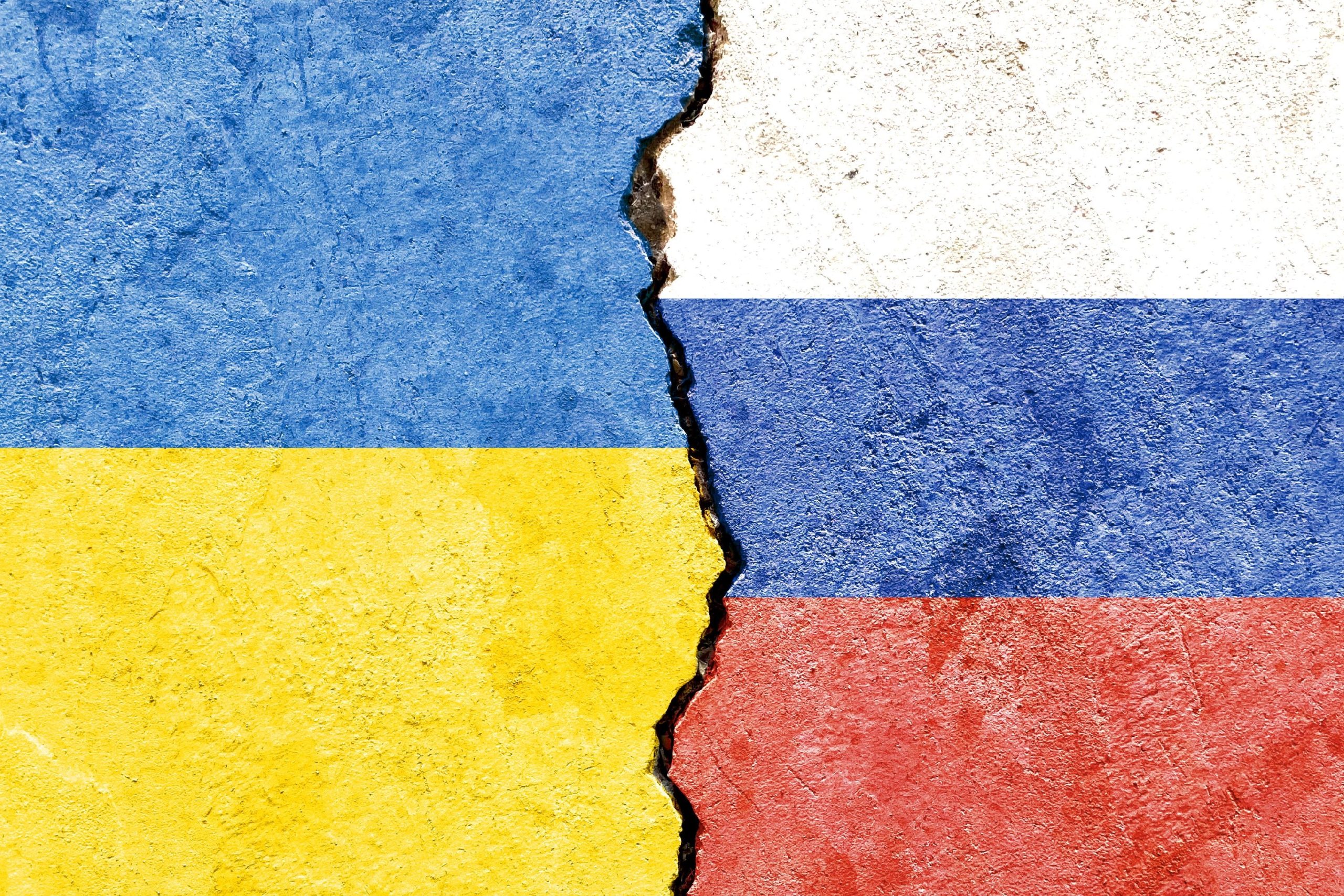
    an illustration of the flags of Ukraine and Russia separated by a crack – conflict or comparison

    The start of the full-scale war in Ukraine in February 2022 immediately transformed the political atmosphere across Europe and beyond. What many leaders had hoped would remain a regional conflict quickly became one of the most serious geopolitical crises in decades. Images of explosions, refugees and destroyed cities spread rapidly through global media, creating shock far beyond the region itself.
    European governments responded with sanctions, military aid and emergency diplomatic meetings. Energy quickly became one of the most important issues as countries reconsidered their dependence on Russian gas and oil. Defense spending increased, while NATO and European security policy returned to the center of international debate after years of relative stability.
    The war also triggered one of the largest refugee movements in recent European history. Millions of Ukrainians left their homes seeking safety in neighboring countries. Humanitarian organizations, volunteers and governments struggled to respond to the scale of the crisis.
    Beyond the immediate conflict, the invasion changed how many countries viewed global stability, diplomacy and long-term security risks. Assumptions that had shaped European politics since the end of the Cold War suddenly appeared far less certain than before.

  • The World Left Lockdown but Did Not Return to Normal

    The World Left Lockdown but Did Not Return to Normal

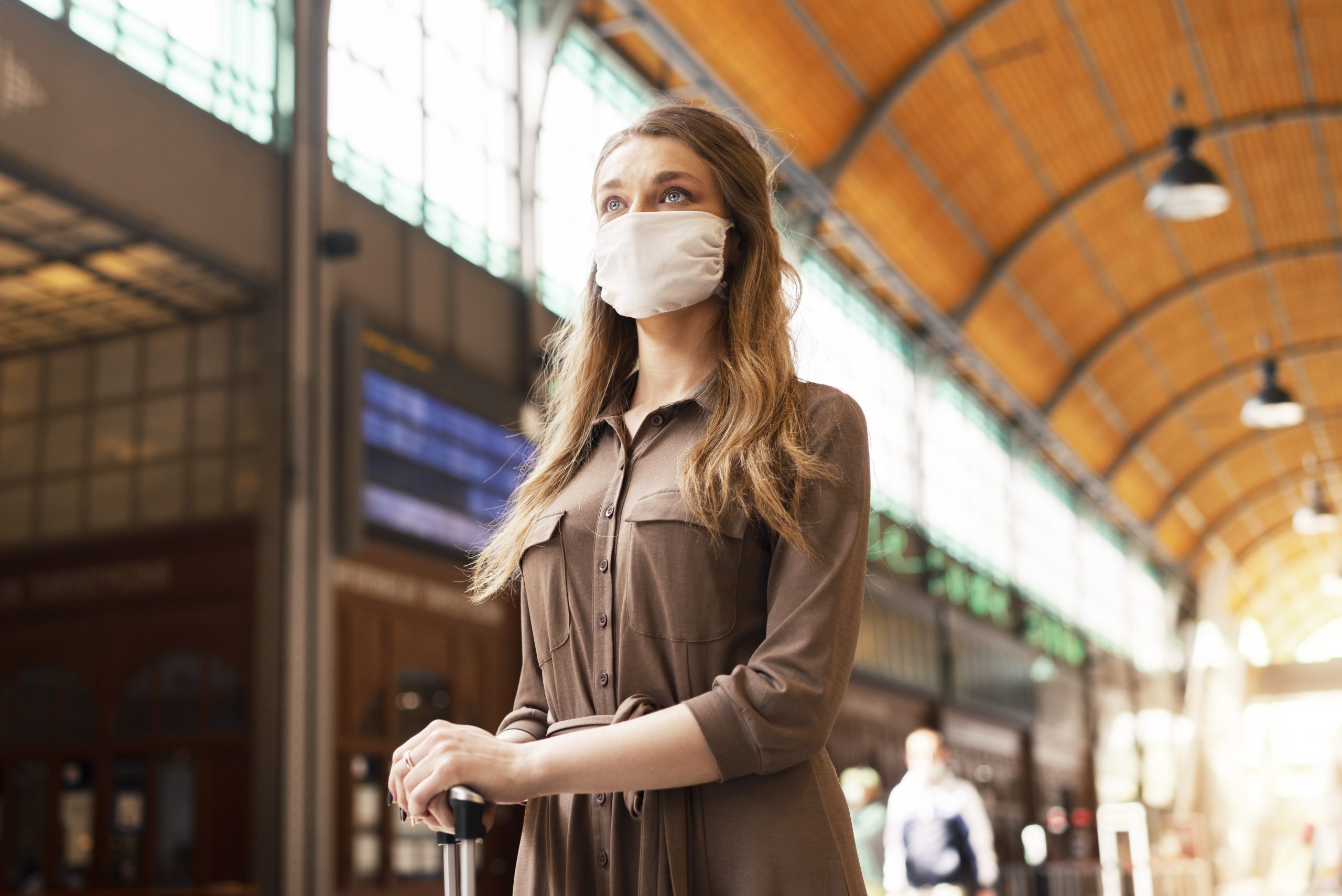
    A young female with a suitcase wearing a facemask and waiting at a train station – COVID-19

    By the end of 2021, many parts of the world had reopened after long periods of restrictions. Restaurants filled again, flights resumed and public events slowly returned. Yet despite these visible signs of recovery, the atmosphere felt different from the world that existed before 2020. The pandemic had changed routines, priorities and expectations in ways that could not simply disappear overnight.
    Businesses faced labor shortages, disrupted supply chains and rising transportation costs. Inflation began affecting everyday purchases, from groceries to energy bills. Many workers reconsidered career paths, work-life balance and the value of flexibility after experiencing remote work during lockdowns. Entire industries, especially travel and hospitality, were still adapting to unpredictable conditions.
    Socially, the pandemic left behind a complicated legacy. Some people felt optimistic about rebuilding normal life, while others remained cautious and exhausted after nearly two years of uncertainty. Public trust in institutions had weakened in many countries, and political divisions often became sharper rather than smaller.
    Although the world looked more active again, it was clear that the crisis had accelerated long-term changes in economics, technology and public behavior. 2021 ended not with a clean return to the past, but with the beginning of a different era.

  • Extreme Weather Became the Background of the Decade

    Extreme Weather Became the Background of the Decade

    By the summer of 2021, extreme weather events were dominating headlines across multiple continents at the same time. Heatwaves, floods, droughts and wildfires affected regions that had once considered such disasters unusual or rare. Entire communities were forced to confront the possibility that climate instability was no longer a future scenario, but an ongoing reality already shaping everyday life.
    Scientists continued warning that rising global temperatures would increase the frequency and intensity of extreme weather events. At the same time, governments struggled to balance climate commitments with economic and political pressures. Infrastructure in many countries appeared unprepared for prolonged heat, water shortages or sudden flooding. Insurance costs also rose as natural disasters became more destructive and expensive.
    Public discussion around climate changed noticeably during this period. Instead of focusing only on distant projections, conversations increasingly centered on adaptation, resilience and emergency response. Businesses, city planners and energy providers were forced to reconsider long-term strategies as environmental risks became harder to ignore.
    The emotional effect of constant climate news was also significant. Images of burning forests, flooded subway systems and record temperatures contributed to a growing sense that the planet was entering a less predictable and more unstable period.

  • Vaccines and New Borders

    Vaccines and New Borders

    The pandemic created not only a health crisis, but also a crisis of information. During 2020, people were overwhelmed by an endless stream of headlines, statistics, expert opinions and social media arguments. Information moved faster than ever before, but trust in that information often moved in the opposite direction. News outlets, politicians, scientists and online influencers all competed for attention at the same time, creating confusion for millions of people trying to understand what was actually happening.
    Social media platforms became one of the main battlegrounds of the year. False claims, conspiracy theories and emotionally charged content spread rapidly across the internet, often reaching larger audiences than verified reporting. At the same time, major technology companies faced growing pressure to moderate content more aggressively. This raised difficult questions about censorship, free speech and the power of digital platforms over public conversation.
    The crisis also revealed how differently people consume information depending on political beliefs, geography and online habits. In many countries, debates about masks, vaccines and lockdowns quickly became cultural and political conflicts rather than purely scientific discussions. Trust in institutions weakened further as public messaging frequently changed throughout the year.

    After nearly a year of restrictions and uncertainty, the arrival of COVID-19 vaccines created a noticeable shift in global mood. For the first time since the pandemic began, many people started believing that a return to normal life might actually be possible. Governments launched massive vaccination campaigns while countries competed for supplies, logistics and medical infrastructure capable of distributing doses quickly.
    The vaccine rollout also revealed major inequalities between countries. Wealthier nations secured large contracts early, while many developing regions struggled to gain access. Discussions about patents, pharmaceutical companies and global cooperation became central political topics. Vaccination rates increasingly influenced economic reopening strategies, travel policies and public confidence.
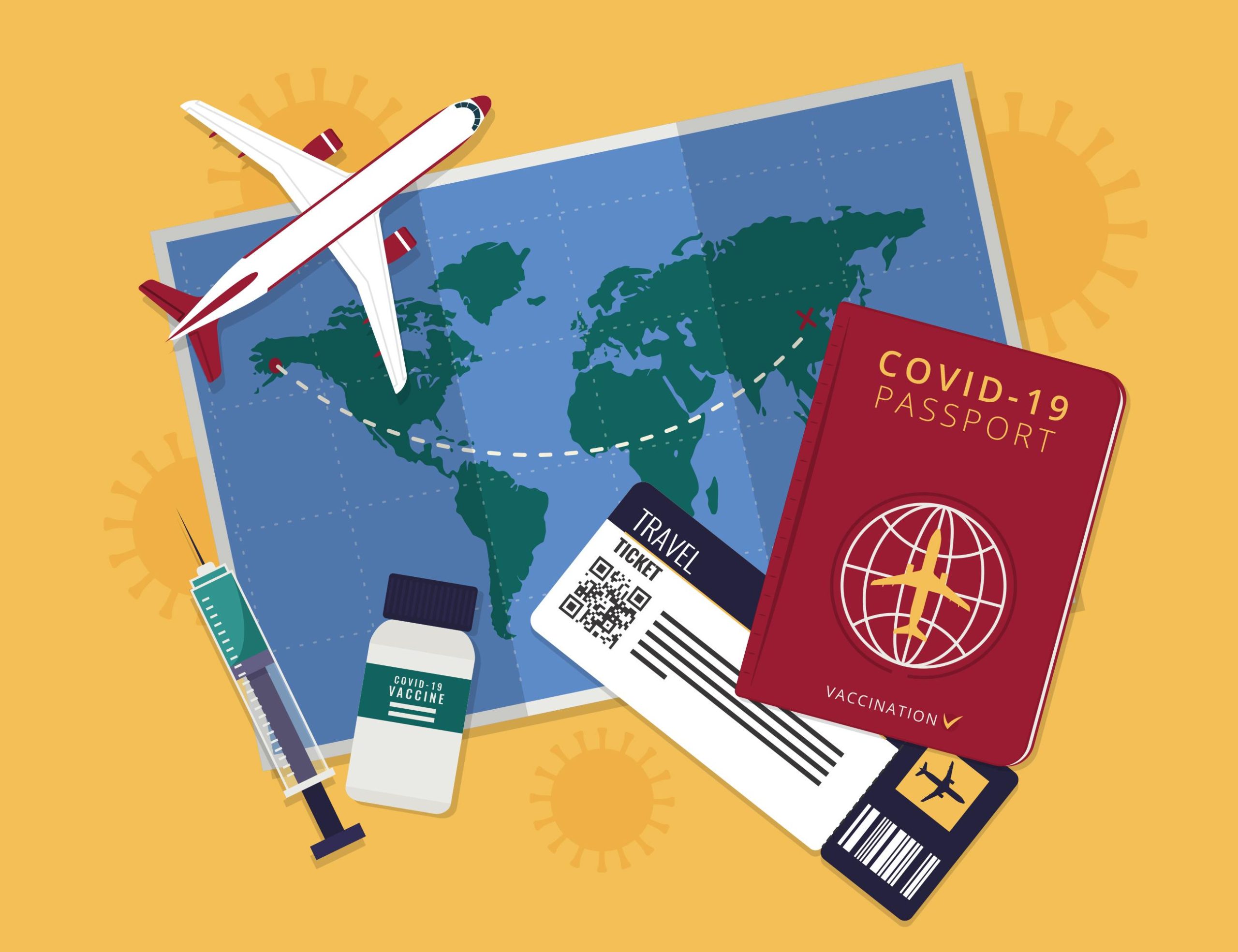
    Airports, concerts, offices and sporting events slowly began reopening under new health rules. Digital health passes and vaccination certificates became part of international travel, changing how people moved across borders. At the same time, vaccine skepticism and misinformation remained widespread in many countries, creating political tension and public protests.

  • The Year of Distrust in Information

    The Year of Distrust in Information

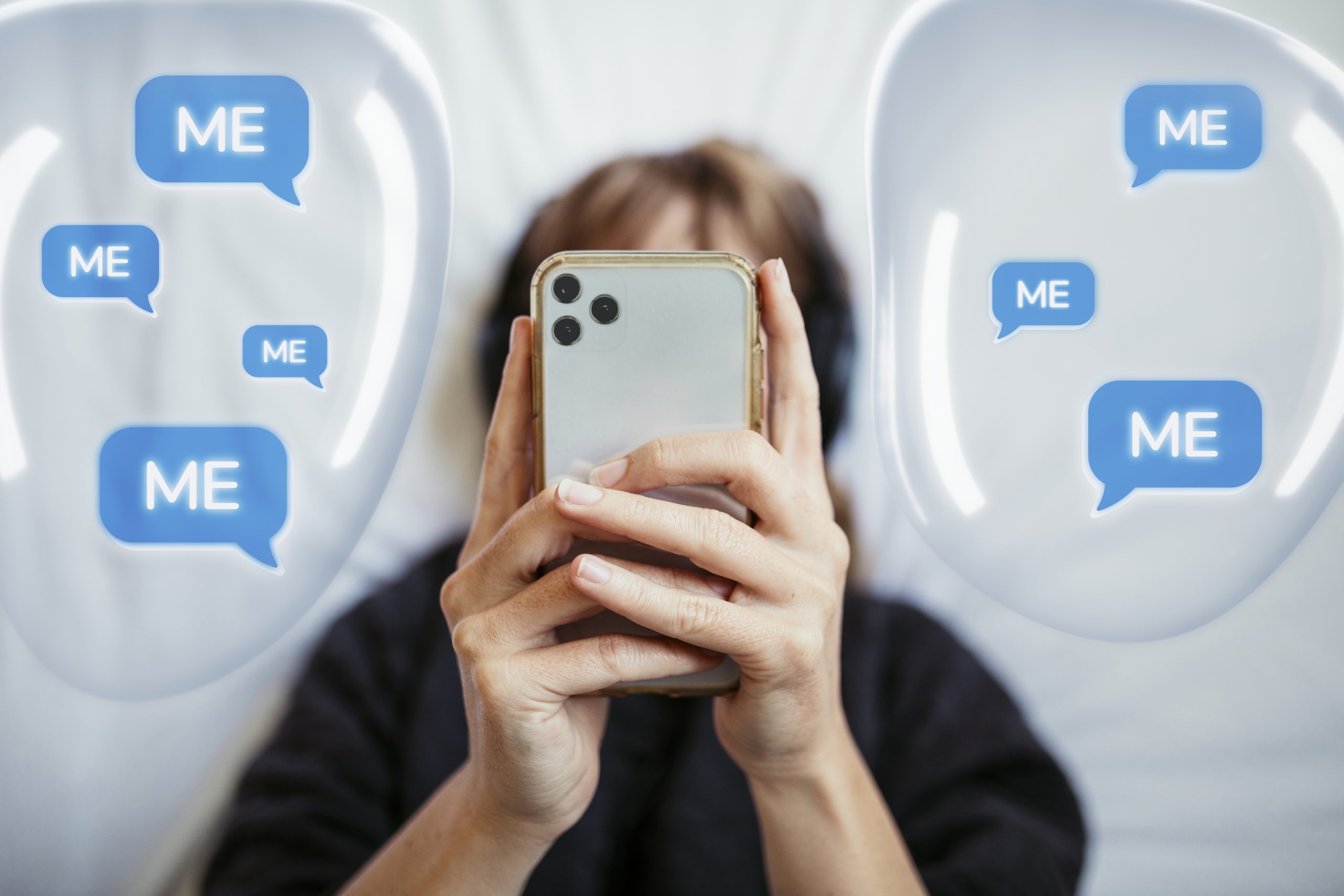
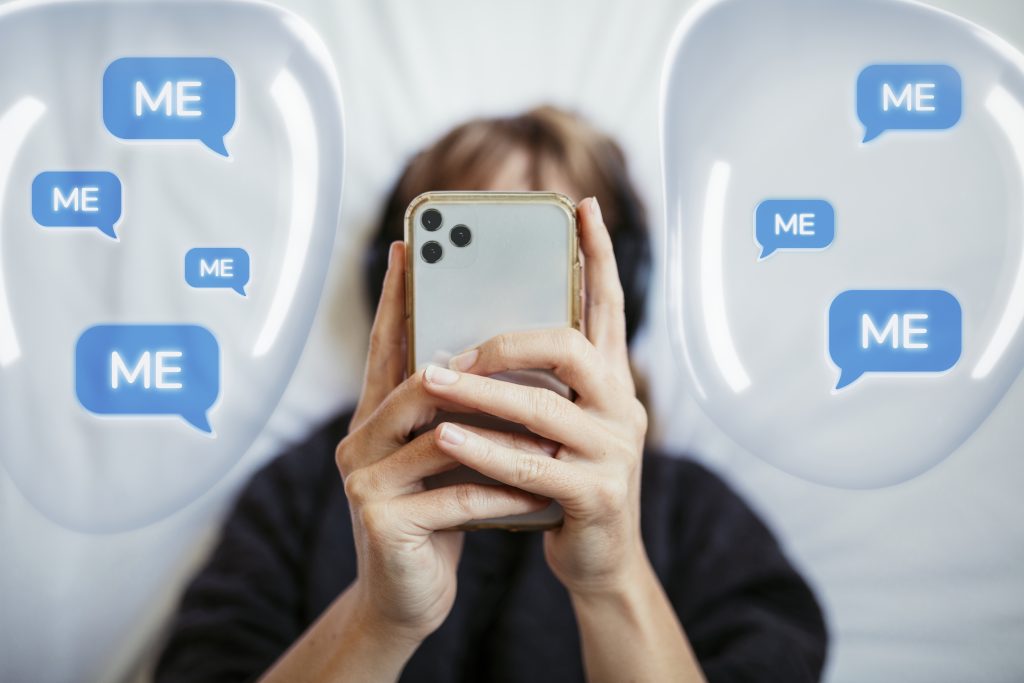
    Social addicted woman texting with speech bubbles graphic

    The pandemic created not only a health crisis, but also a crisis of information. During 2020, people were overwhelmed by an endless stream of headlines, statistics, expert opinions and social media arguments. Information moved faster than ever before, but trust in that information often moved in the opposite direction. News outlets, politicians, scientists and online influencers all competed for attention at the same time, creating confusion for millions of people trying to understand what was actually happening.
    Social media platforms became one of the main battlegrounds of the year. False claims, conspiracy theories and emotionally charged content spread rapidly across the internet, often reaching larger audiences than verified reporting. At the same time, major technology companies faced growing pressure to moderate content more aggressively. This raised difficult questions about censorship, free speech and the power of digital platforms over public conversation.
    The crisis also revealed how differently people consume information depending on political beliefs, geography and online habits. In many countries, debates about masks, vaccines and lockdowns quickly became cultural and political conflicts rather than purely scientific discussions. Trust in institutions weakened further as public messaging frequently changed throughout the year.
    By the end of 2020, it was clear that the internet had transformed global communication permanently. Access to information had never been easier, yet reaching public consensus had rarely seemed more difficult.

  • Remote Work Changed the Map of the World

    Remote Work Changed the Map of the World

    One of the biggest social changes triggered by the pandemic was the sudden global shift toward remote work. What initially looked like a temporary emergency measure quickly became a long-term transformation affecting companies, workers and entire cities. Millions of people moved from office buildings to kitchen tables, spare bedrooms and improvised home workspaces almost overnight.
    For many businesses, remote work proved more practical than expected. Meetings moved online, teams communicated through digital platforms and some companies discovered they could continue operating without large physical offices. Employees also began rethinking their relationship with work, commuting and personal time. In some industries, workers started leaving expensive major cities in search of more affordable or quieter lifestyles.
    At the same time, remote work created new problems. Isolation, burnout and blurred boundaries between professional and personal life became increasingly common. Not every job could be performed remotely, which also highlighted economic divisions between different types of workers. Technology companies benefited enormously from the growing dependence on digital communication tools.
    By late 2020, it became clear that remote work was not simply a temporary pandemic trend. It had already started reshaping corporate culture, urban economies and everyday routines in ways that would likely continue for years.

  • The Pandemic as a Global Stress Test

    The Pandemic as a Global Stress Test

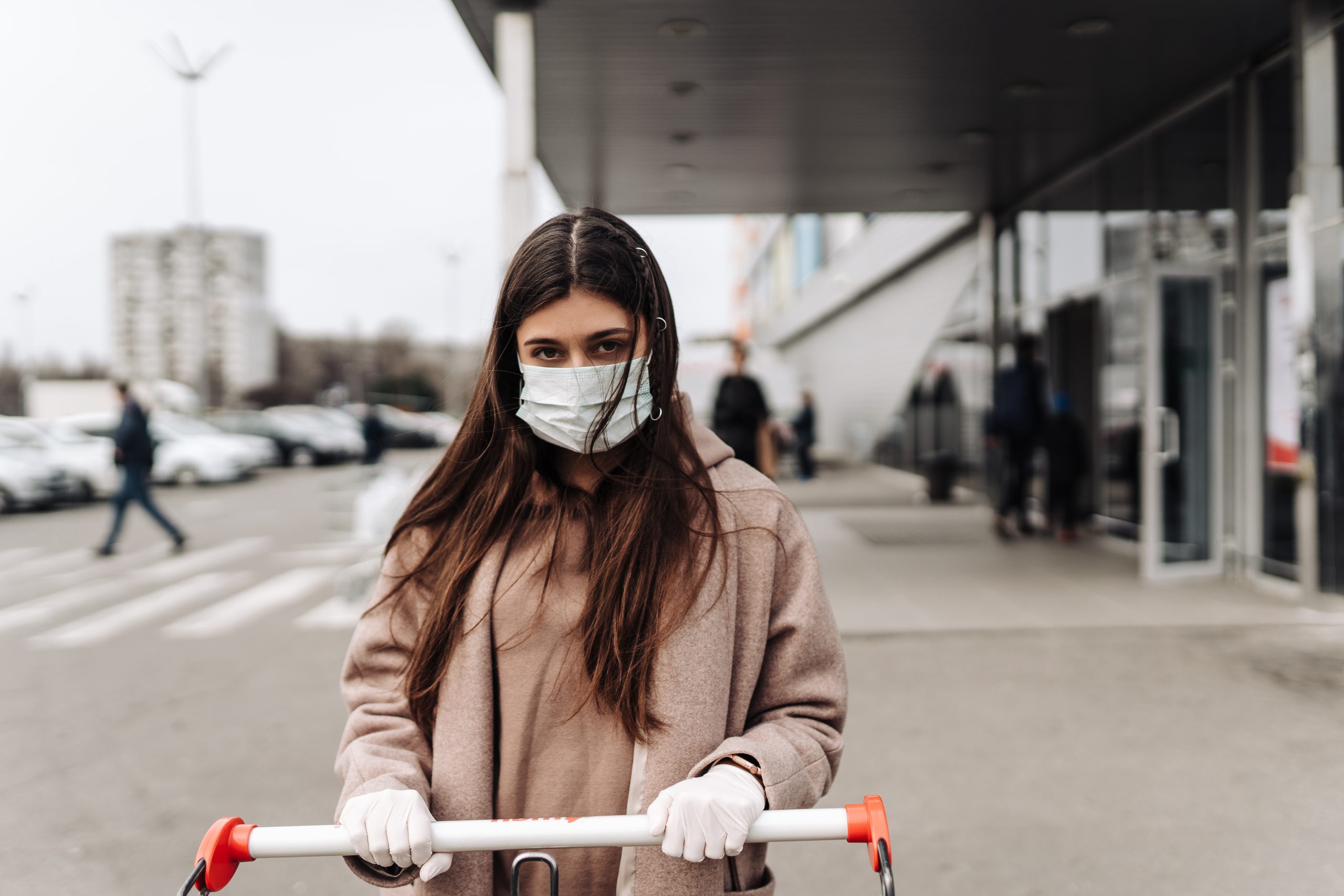
    Young woman wearing protection face mask against coronavirus 2019-nCoV pushing a shopping cart. Concept of coronavirus

    When COVID-19 first appeared in international headlines, many people assumed it would remain a regional health issue. Within a few months, however, the virus had transformed daily life almost everywhere in the world. Airports became empty, offices closed, schools moved online and city streets suddenly looked unfamiliar. The pandemic exposed how interconnected modern societies had become and how quickly disruption could spread across borders.
    Governments responded with lockdowns, travel restrictions and emergency economic measures. Some countries acted quickly, while others struggled with coordination and public communication. Healthcare systems faced enormous pressure as hospitals dealt with shortages of equipment, staff and space. At the same time, millions of people suddenly had to adapt to remote work, isolation and economic uncertainty.
    The crisis also accelerated trends that were already developing before 2020. Online services, digital communication and delivery platforms became even more important. Public trust in institutions, media and scientific experts became a major political issue in many countries. Social inequality also became more visible as the pandemic affected communities in very different ways.
    By the middle of 2020, COVID-19 was no longer simply a health emergency. It had become a global stress test for governments, economies, technology and everyday social life.

  • Australia’s Fires Showed the Scale of the Climate Threat

    Australia’s Fires Showed the Scale of the Climate Threat


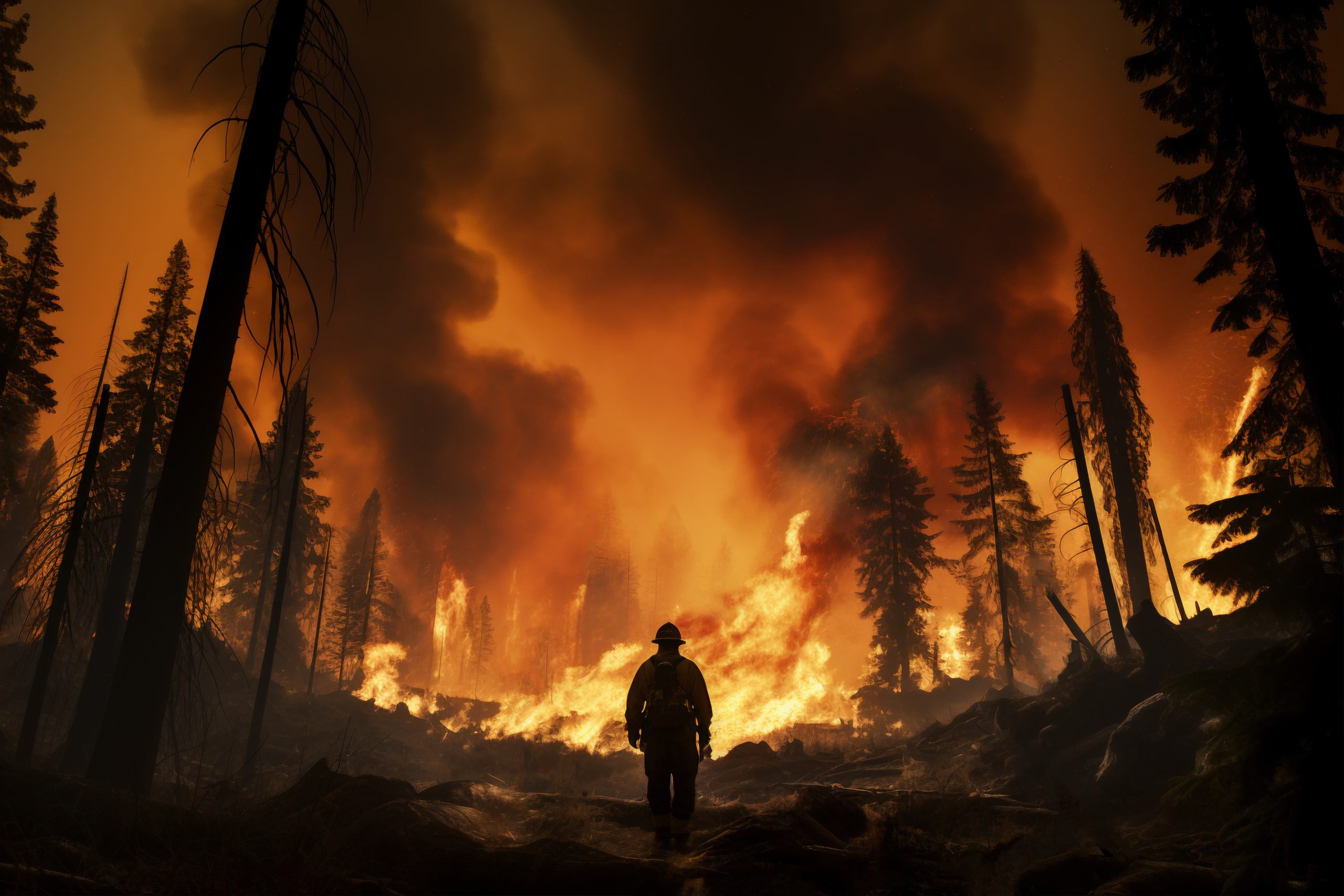
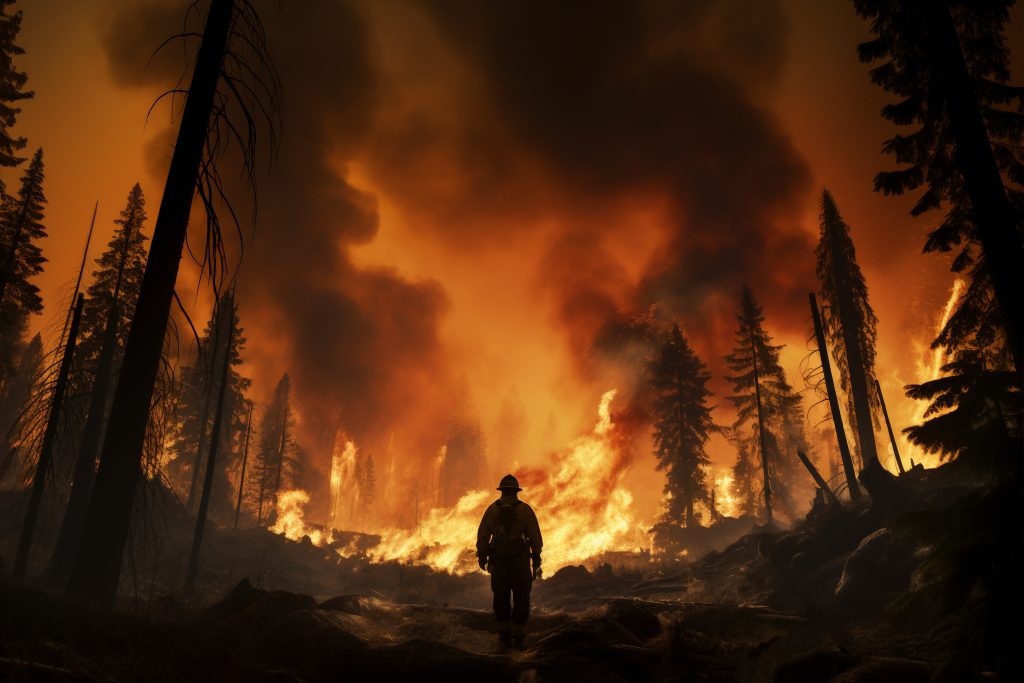
    The devastating bushfires in Australia became one of the defining images of late 2019 and early 2020. Massive fires spread across huge areas of land, destroying homes, forests and wildlife habitats while covering cities in smoke for weeks. Images of orange skies, exhausted firefighters and injured animals quickly circulated around the world, turning the disaster into a global symbol of environmental anxiety.
    Although Australia regularly experiences wildfire seasons, the scale and intensity of these fires shocked many observers. Scientists, journalists and political leaders debated the connection between extreme weather conditions and climate change, while public frustration grew over environmental policy and emergency preparedness. The fires also demonstrated how quickly local environmental disasters can become international news events in the digital era.
    Beyond the immediate destruction, the crisis created a broader emotional impact. Many people viewed the fires as a warning about how vulnerable modern societies remain despite technological progress and economic development. The disaster also highlighted the increasing pressure on emergency services and infrastructure during prolonged climate-related events.
    By the time the fires began slowing down, the images from Australia had already become part of a much larger global conversation about climate, resilience and the future of environmental risk.