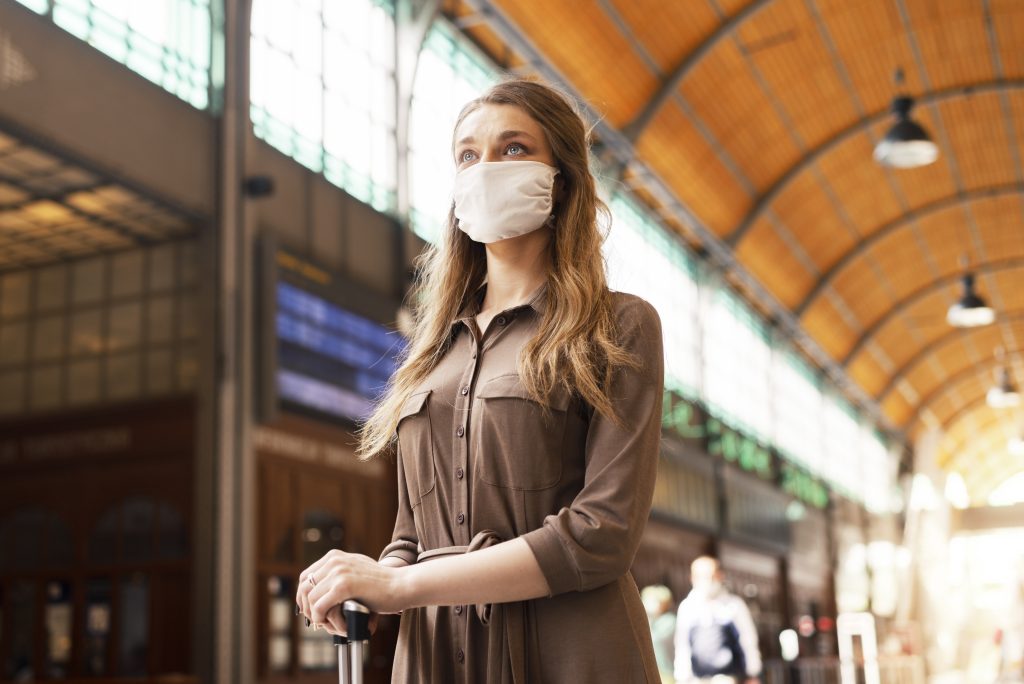
By the end of 2021, many parts of the world had reopened after long periods of restrictions. Restaurants filled again, flights resumed and public events slowly returned. Yet despite these visible signs of recovery, the atmosphere felt different from the world that existed before 2020. The pandemic had changed routines, priorities and expectations in ways that could not simply disappear overnight.
Businesses faced labor shortages, disrupted supply chains and rising transportation costs. Inflation began affecting everyday purchases, from groceries to energy bills. Many workers reconsidered career paths, work-life balance and the value of flexibility after experiencing remote work during lockdowns. Entire industries, especially travel and hospitality, were still adapting to unpredictable conditions.
Socially, the pandemic left behind a complicated legacy. Some people felt optimistic about rebuilding normal life, while others remained cautious and exhausted after nearly two years of uncertainty. Public trust in institutions had weakened in many countries, and political divisions often became sharper rather than smaller.
Although the world looked more active again, it was clear that the crisis had accelerated long-term changes in economics, technology and public behavior. 2021 ended not with a clean return to the past, but with the beginning of a different era.