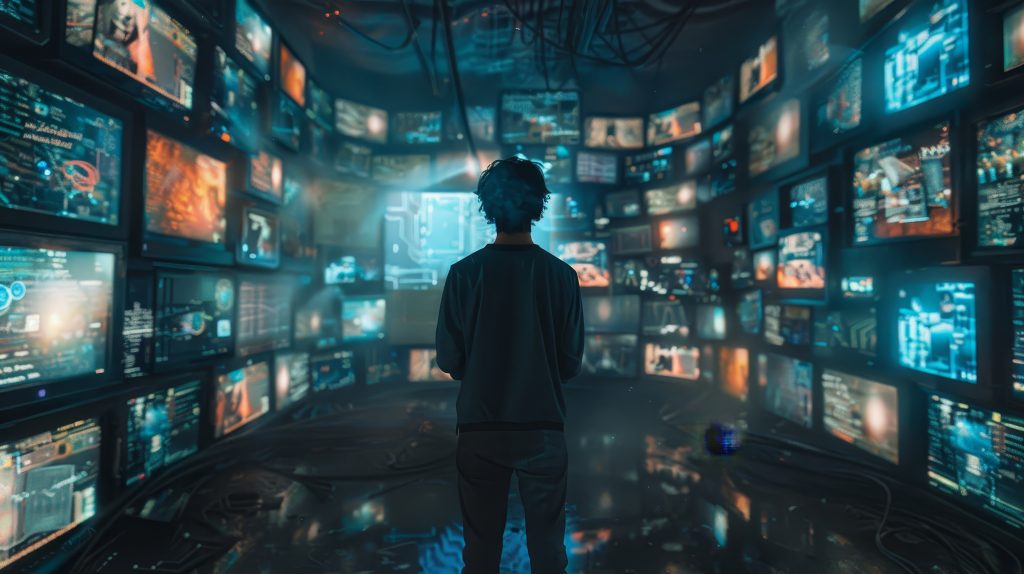
By the middle of 2025, one of the most noticeable global changes was psychological rather than political or economic. Constant instability had become part of everyday life. Wars, climate disasters, economic pressure and technological disruption continued appearing so frequently that many people no longer reacted to major events with the same level of shock as before.
News cycles moved faster than ever. One international crisis quickly replaced another, while social media platforms intensified the feeling of permanent urgency. People consumed massive amounts of information daily, yet often felt increasingly disconnected or emotionally exhausted. Experts began speaking more openly about “crisis fatigue” and the long-term effects of constant exposure to anxiety-driven news environments.
Governments and businesses also adapted to this atmosphere of instability. Companies treated geopolitical disruption and supply chain problems as ongoing realities rather than temporary emergencies. Cities invested more heavily in resilience planning, cybersecurity and climate adaptation. The idea of returning to a predictable global order seemed increasingly unrealistic.
At the same time, many people tried to regain a sense of control through smaller, local and personal decisions. Interest in mental health, work-life balance and digital boundaries continued growing. In a world shaped by constant uncertainty, stability itself became one of the most valuable and difficult things to maintain.