Author: admin

  • 2025: Fewer Illusions, More Reality

    2025: Fewer Illusions, More Reality

    Looking back at 2025, the year felt defined less by optimism and more by realism. Governments, businesses and ordinary people increasingly accepted that many global problems would not have quick or simple solutions. Conflicts continued, climate pressure intensified and technological competition accelerated, creating a world that appeared more fragmented and unpredictable than in previous decades.
    Artificial intelligence remained one of the biggest forces shaping international discussions. While AI tools improved productivity and transformed industries, they also increased fears about labor markets, misinformation and concentration of power inside a small number of technology companies. Countries continued competing for technological dominance, treating AI infrastructure almost like strategic military assets.
    Climate instability also remained impossible to ignore. Extreme weather events affected transportation, agriculture and insurance systems across multiple regions. Discussions shifted away from whether climate change was real and focused more on how societies could realistically adapt to long-term environmental pressure.
    At the same time, public trust in institutions remained fragile. Political polarization, economic inequality and information overload continued shaping social behavior around the world. By the end of 2025, it was clear that the global atmosphere had fundamentally changed. People no longer expected stability by default — uncertainty itself had become part of modern life.
  • The World Got Used to Permanent Crisis

    The World Got Used to Permanent Crisis

    By the middle of 2025, one of the most noticeable global changes was psychological rather than political or economic. Constant instability had become part of everyday life. Wars, climate disasters, economic pressure and technological disruption continued appearing so frequently that many people no longer reacted to major events with the same level of shock as before.
    News cycles moved faster than ever. One international crisis quickly replaced another, while social media platforms intensified the feeling of permanent urgency. People consumed massive amounts of information daily, yet often felt increasingly disconnected or emotionally exhausted. Experts began speaking more openly about “crisis fatigue” and the long-term effects of constant exposure to anxiety-driven news environments.
    Governments and businesses also adapted to this atmosphere of instability. Companies treated geopolitical disruption and supply chain problems as ongoing realities rather than temporary emergencies. Cities invested more heavily in resilience planning, cybersecurity and climate adaptation. The idea of returning to a predictable global order seemed increasingly unrealistic.
    At the same time, many people tried to regain a sense of control through smaller, local and personal decisions. Interest in mental health, work-life balance and digital boundaries continued growing. In a world shaped by constant uncertainty, stability itself became one of the most valuable and difficult things to maintain.

  • The AI Race Became Geopolitics

    The AI Race Became Geopolitics

    By 2025, artificial intelligence was no longer viewed only as a technology industry trend. It had become one of the main arenas of geopolitical competition. Governments and corporations invested enormous resources into advanced chips, large-scale data centers and AI research, treating technological leadership as a strategic national priority.
    The competition extended far beyond consumer products. AI systems increasingly influenced cybersecurity, military planning, finance, education and global communication. Countries worried that falling behind in artificial intelligence could eventually weaken economic influence and national security at the same time. As a result, technology policy became closely tied to international diplomacy and trade restrictions.
    At the same time, concerns about regulation intensified. Experts warned that governments were struggling to keep pace with systems evolving faster than legal frameworks could adapt. Questions about privacy, misinformation, labor displacement and automated decision-making remained unresolved across many sectors.
    Public attitudes toward AI also became more divided. Some people viewed the technology as a major productivity breakthrough capable of improving medicine, science and education. Others feared increasing dependence on systems that remained poorly understood and controlled by a small number of corporations. By 2025, artificial intelligence had clearly become one of the defining forces shaping global power and public debate.

  • The Climate Threshold Became Real

    The Climate Threshold Became Real

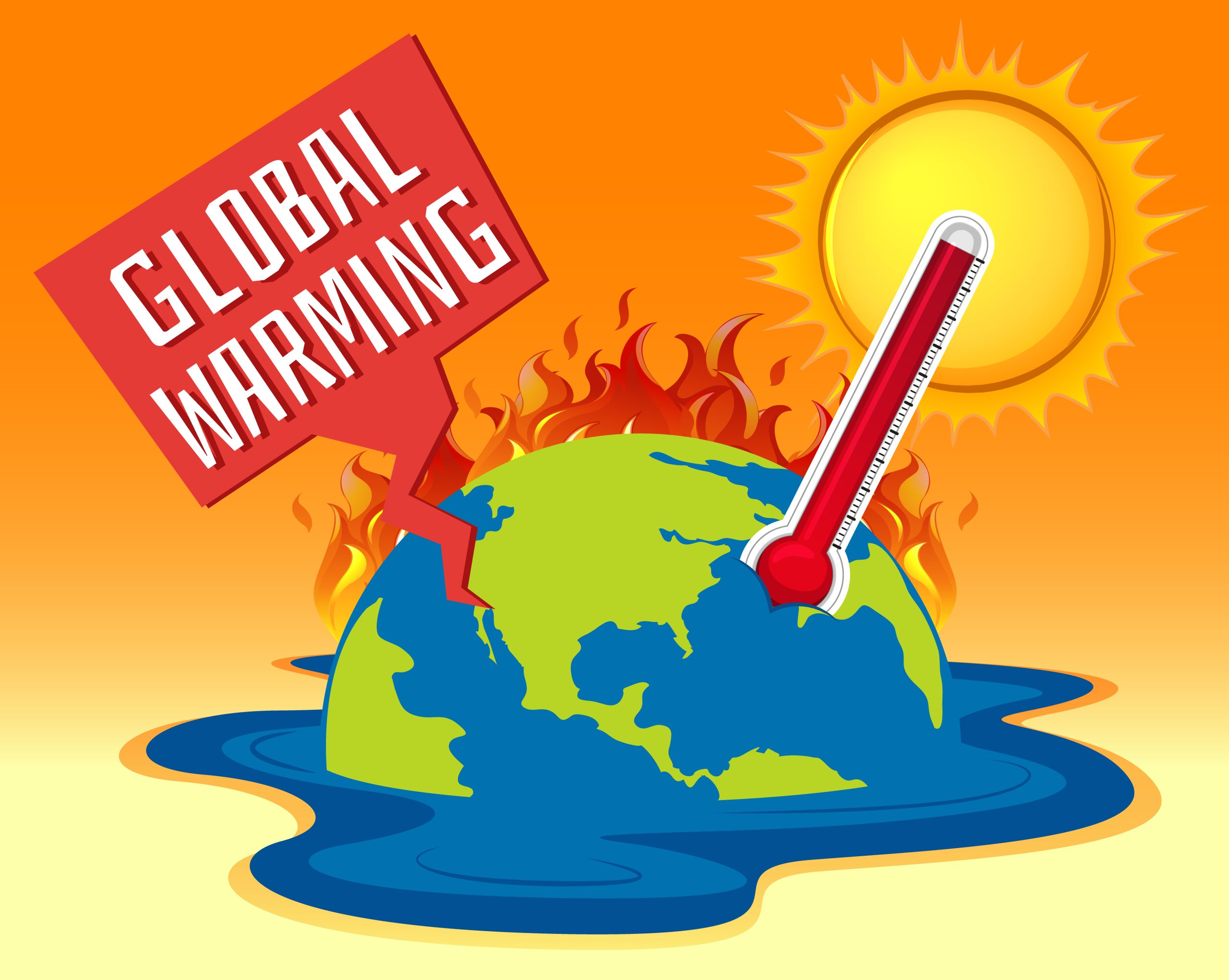
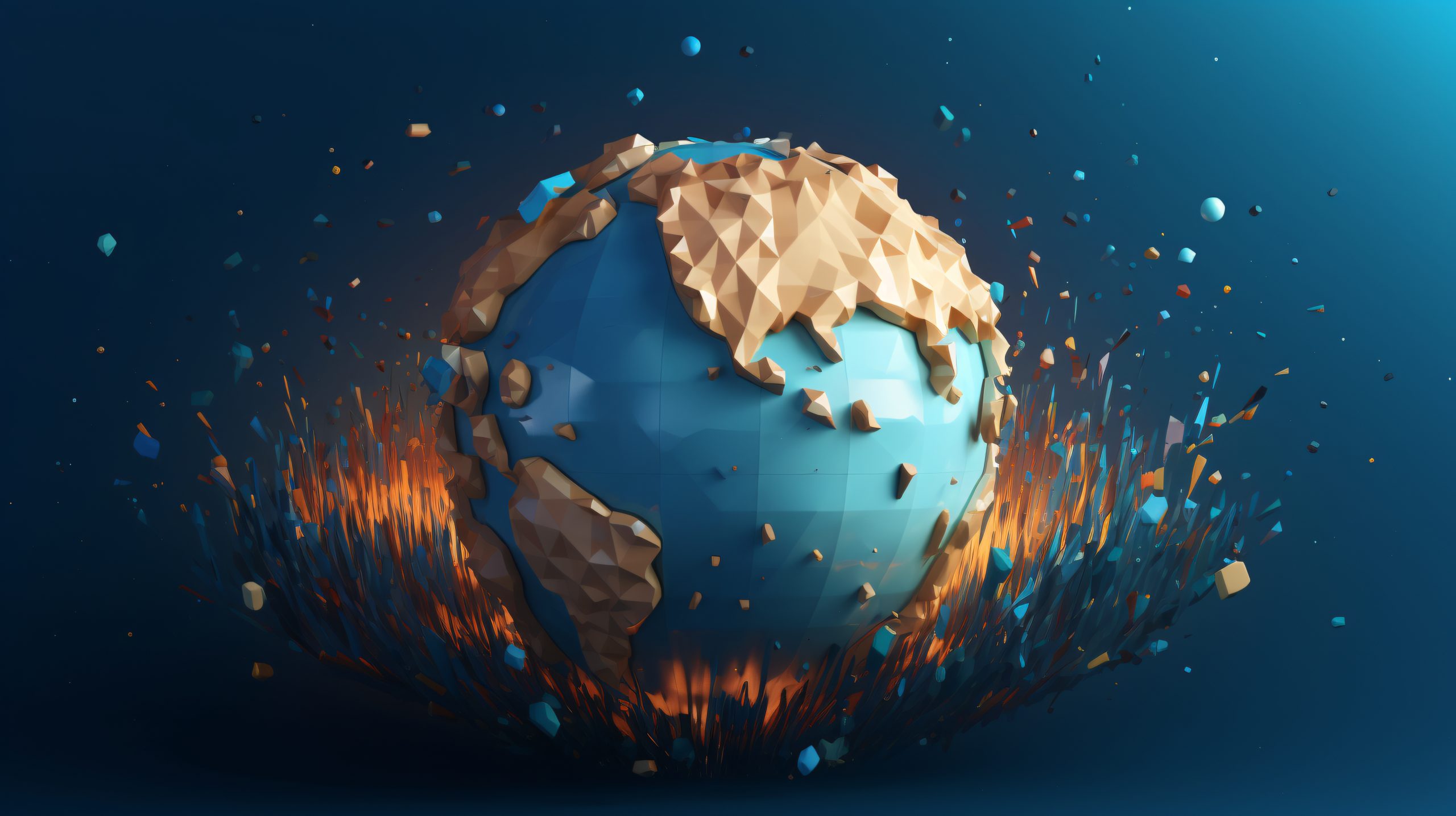
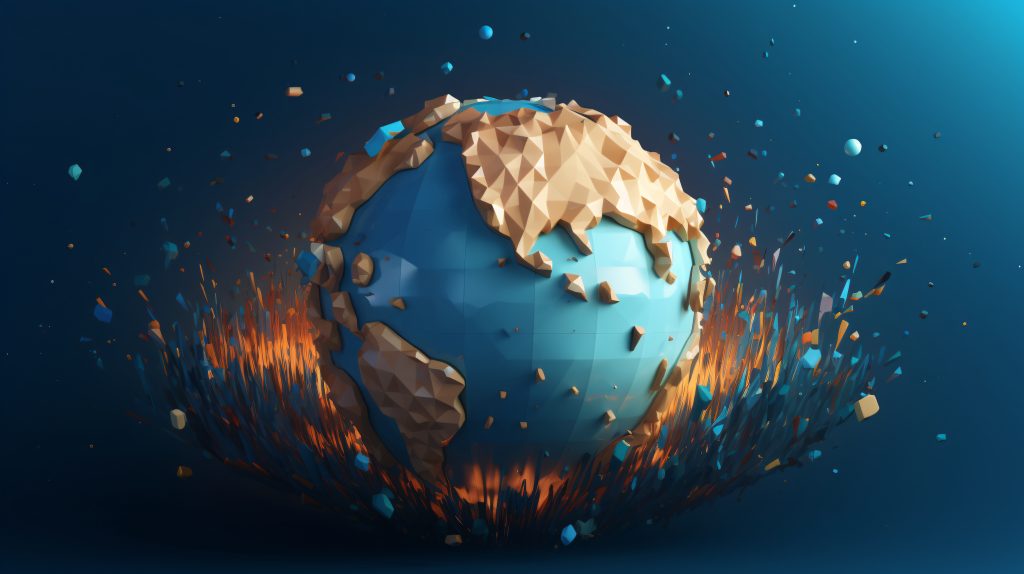
    Global warming with earth on fire illustration

    By late 2024, climate discussions had become less theoretical and far more immediate. Record-breaking temperatures, severe storms and environmental disruptions were no longer viewed as isolated events appearing occasionally in the news. Instead, climate instability increasingly shaped infrastructure planning, insurance costs, migration debates and even everyday consumer decisions.
    Many cities faced growing pressure to adapt quickly. Heatwaves affected transportation systems, droughts threatened agriculture and flooding damaged urban infrastructure across multiple regions. Governments continued discussing emissions targets and environmental agreements, but public attention shifted more toward practical adaptation and resilience strategies.
    Businesses also treated climate risk more seriously than before. Insurance companies reassessed long-term exposure, investors considered environmental vulnerability and corporations faced stronger expectations regarding sustainability commitments. Climate change was no longer simply an environmental topic — it had become deeply connected to economics and national planning.
    The emotional impact was equally significant. Constant exposure to climate-related news created a growing sense of anxiety, particularly among younger generations. What once sounded like distant scientific projections now felt visible in everyday weather patterns and global headlines. By 2024, climate instability had become part of ordinary public consciousness rather than a specialized political issue.

  • The Paris Olympics as a Rare Shared Agenda

    The Paris Olympics as a Rare Shared Agenda

    The 2024 Olympic Games in Paris arrived during a period dominated by political conflict, economic anxiety and global tension. For a brief moment, however, international attention shifted toward sport, culture and competition rather than crisis headlines. The Olympics created a rare shared global event watched by millions across different countries and political backgrounds.
    Paris used the Games not only as a sporting event, but also as an opportunity to present a modern image of the city and Europe itself. The opening ceremonies, historic locations and large-scale public events attracted worldwide attention both online and offline. Social media amplified memorable moments instantly, turning athletes and performances into global conversations within minutes.
    At the same time, the Olympics could not fully escape politics. Security concerns remained high, especially given the broader international climate. Discussions about public spending, tourism pressure and sustainability also surrounded the event. Modern sporting competitions increasingly exist within larger debates about national identity, branding and political messaging.
    Despite those tensions, the Games still demonstrated the unusual ability of major cultural events to temporarily redirect public attention away from conflict. In a year filled with uncertainty, the Olympics provided a brief sense of collective focus that felt increasingly rare in modern media culture.

  • The Year of Major Elections

    The Year of Major Elections

    2024 quickly turned into one of the most politically important years in recent memory. Major elections across different regions placed democratic systems under intense pressure at a time when polarization, economic anxiety and distrust in institutions were already high. Political campaigns became more emotional, confrontational and heavily influenced by online media ecosystems.
    Digital platforms played a larger role than ever before. Social media algorithms amplified controversy, while artificial intelligence introduced new concerns about misinformation, deepfakes and manipulated political content. Governments and technology companies struggled to respond fast enough to the changing information environment. Trust became one of the central themes of modern politics.
    Economic pressures also shaped voter behavior. Inflation, housing costs and concerns about migration influenced political debates in many countries. Traditional political parties faced growing competition from populist movements promising faster and more radical solutions to public frustration. In several regions, elections increasingly resembled cultural conflicts rather than ordinary policy discussions.
    The atmosphere surrounding global politics felt more unstable than in previous election cycles. Even where democratic systems remained functional, the level of public anger and division suggested that political uncertainty would likely continue beyond 2024 itself.

  • 2023: Heat, Wars and Exhaustion

    2023: Heat, Wars and Exhaustion

    By the end of 2023, many people shared the same feeling: the world seemed exhausted. Major wars, political polarization, climate disasters and rapid technological change created a nonstop cycle of tension and uncertainty. Every week appeared to bring another crisis, while global news feeds rarely slowed down long enough for people to process one event before the next one arrived.
    Climate records continued breaking throughout the year. Heatwaves, wildfires and floods affected multiple continents at the same time, reinforcing the sense that environmental instability was becoming permanent rather than exceptional. Meanwhile, geopolitical tensions remained high, especially around Ukraine and the Middle East, increasing fears about long-term global security and economic disruption.
    Technology added another layer of uncertainty. Artificial intelligence advanced rapidly, creating excitement about productivity and innovation while also raising concerns about misinformation, labor markets and the future of creative industries. Governments struggled to react quickly enough to the speed of change.
    Perhaps the most noticeable shift was psychological. Constant exposure to global crises created a sense of fatigue and emotional overload. Many people became less shocked by events that would have dominated headlines for months in previous years. By late 2023, instability itself had started to feel normal.

  • The Middle East Returned to the Center of Global Anxiety

    The Middle East Returned to the Center of Global Anxiety

    The renewed conflict in the Middle East during late 2023 quickly became one of the defining global stories of the year. Images of destruction, humanitarian suffering and rising regional tensions dominated international news coverage. The crisis triggered immediate political reactions from governments around the world and reignited debates over security, diplomacy and long-term stability in the region.
    The speed at which the situation escalated shocked many observers. Beyond the immediate violence, there were growing concerns that the conflict could expand further and involve additional countries or armed groups. Global leaders rushed into diplomatic discussions while protests and political arguments spread across major cities internationally.
    Social media once again played a powerful role in shaping public perception. Videos, personal testimonies and political messaging circulated continuously online, often intensifying emotional reactions and polarization. The conflict also highlighted how difficult it has become to separate humanitarian issues from geopolitical strategy in modern international crises.
    At the same time, the situation exposed broader anxieties about the global order. After years already marked by war, economic instability and climate concerns, many people viewed the renewed Middle East conflict as another sign that international tensions were becoming increasingly unpredictable and harder to contain.

  • The New Space Race

    The New Space Race

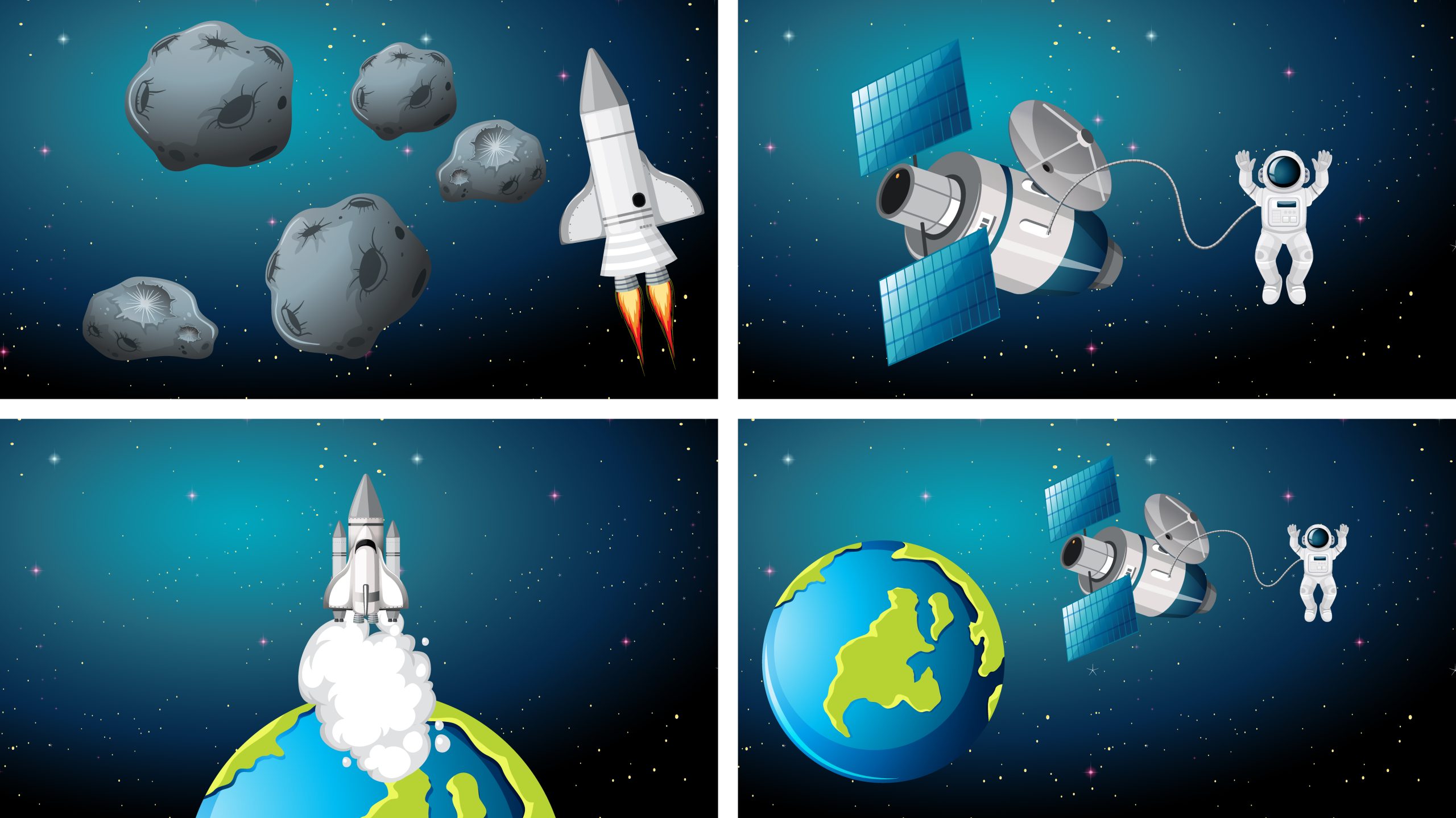
    Set of different spaces scenes illustration

    Space exploration returned to the global spotlight in 2023, but this time the competition looked very different from the Cold War era. Governments remained deeply involved, yet private companies increasingly dominated headlines through rocket launches, satellite projects and ambitious long-term plans involving the Moon and Mars.
    Commercial space companies transformed what had once been an almost entirely state-controlled industry. Reusable rockets lowered costs and increased launch frequency, while satellite networks expanded internet coverage and military capabilities at the same time. Countries including the United States, China and India invested heavily in new missions, viewing space not only as scientific exploration, but also as strategic infrastructure.
    Public interest in space also grew again thanks to social media, livestreamed launches and rapidly developing technology. What once seemed distant and highly specialized became part of everyday online culture. Space exploration increasingly blended science, politics, military strategy and business interests into one competitive environment.
    At the same time, concerns about orbital congestion, satellite debris and militarization became more serious. As more actors entered space, experts warned that international rules and cooperation would become increasingly important. The new space race was not simply about prestige anymore — it was also about communication systems, data, defense and economic power.

  • AI Became an Everyday Tool

    AI Became an Everyday Tool

    Artificial intelligence had been developing for years, but in 2023 it suddenly became impossible for the general public to ignore. Generative AI tools capable of writing text, creating images and assisting with programming spread rapidly across the internet. What previously felt experimental now looked practical, accessible and commercially valuable.
    People began using AI systems for work, education, entertainment and everyday tasks. Businesses rushed to integrate new tools into customer service, marketing and productivity workflows. Students experimented with AI-assisted learning, while professionals debated whether automation would eventually replace certain jobs altogether. The speed of adoption surprised even many technology experts.
    At the same time, serious concerns emerged almost immediately. Questions about misinformation, copyright, privacy and labor disruption became central topics in political and corporate discussions. Artists and writers worried about the use of their work in AI training systems, while governments struggled to understand how regulation should work in such a fast-moving industry.
    The excitement surrounding artificial intelligence also reflected a broader shift in public imagination. For many people, AI stopped being a distant futuristic concept and became something they interacted with directly on phones and laptops every day. By the middle of 2023, it was already clear that artificial intelligence would influence far more than just the technology sector.