By the end of 2023, many people shared the same feeling: the world seemed exhausted. Major wars, political polarization, climate disasters and rapid technological change created a nonstop cycle of tension and uncertainty. Every week appeared to bring another crisis, while global news feeds rarely slowed down long enough for people to process one event before the next one arrived.
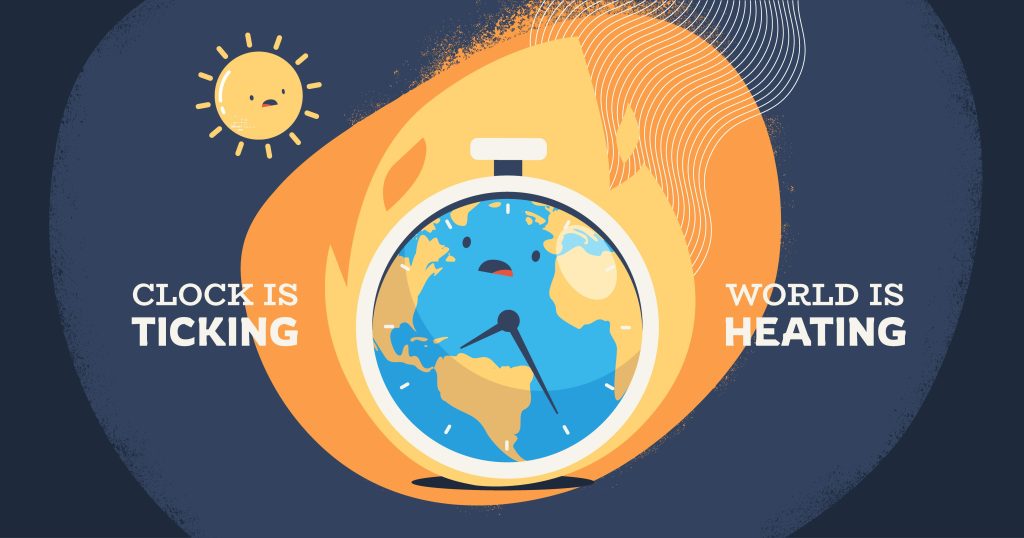
Climate records continued breaking throughout the year. Heatwaves, wildfires and floods affected multiple continents at the same time, reinforcing the sense that environmental instability was becoming permanent rather than exceptional. Meanwhile, geopolitical tensions remained high, especially around Ukraine and the Middle East, increasing fears about long-term global security and economic disruption.
Technology added another layer of uncertainty. Artificial intelligence advanced rapidly, creating excitement about productivity and innovation while also raising concerns about misinformation, labor markets and the future of creative industries. Governments struggled to react quickly enough to the speed of change.
Perhaps the most noticeable shift was psychological. Constant exposure to global crises created a sense of fatigue and emotional overload. Many people became less shocked by events that would have dominated headlines for months in previous years. By late 2023, instability itself had started to feel normal.