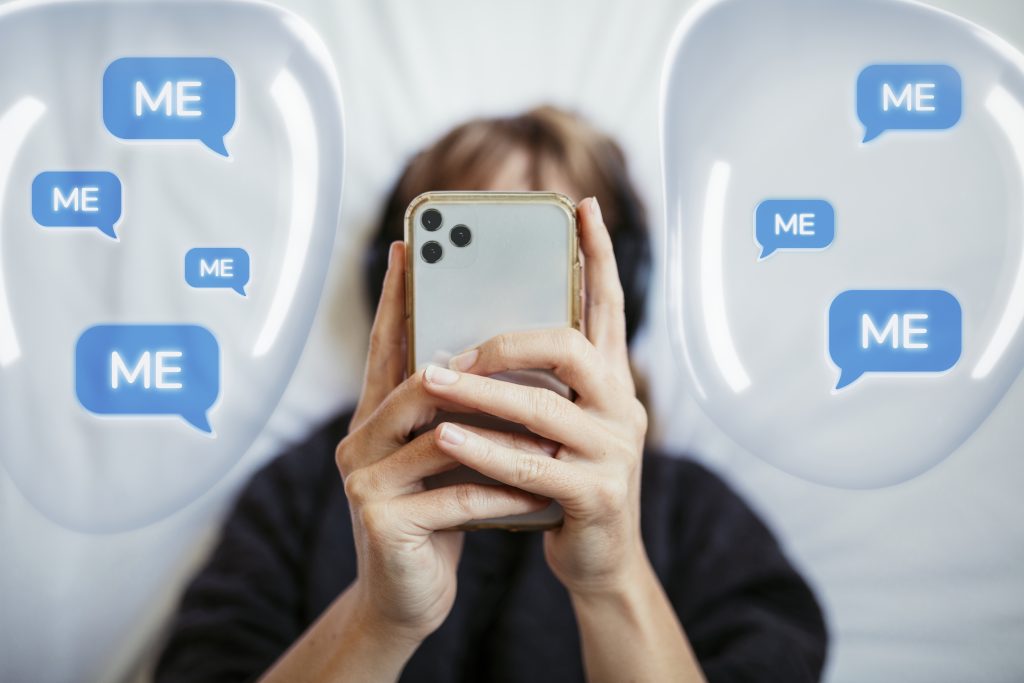
The pandemic created not only a health crisis, but also a crisis of information. During 2020, people were overwhelmed by an endless stream of headlines, statistics, expert opinions and social media arguments. Information moved faster than ever before, but trust in that information often moved in the opposite direction. News outlets, politicians, scientists and online influencers all competed for attention at the same time, creating confusion for millions of people trying to understand what was actually happening.
Social media platforms became one of the main battlegrounds of the year. False claims, conspiracy theories and emotionally charged content spread rapidly across the internet, often reaching larger audiences than verified reporting. At the same time, major technology companies faced growing pressure to moderate content more aggressively. This raised difficult questions about censorship, free speech and the power of digital platforms over public conversation.
The crisis also revealed how differently people consume information depending on political beliefs, geography and online habits. In many countries, debates about masks, vaccines and lockdowns quickly became cultural and political conflicts rather than purely scientific discussions. Trust in institutions weakened further as public messaging frequently changed throughout the year.
By the end of 2020, it was clear that the internet had transformed global communication permanently. Access to information had never been easier, yet reaching public consensus had rarely seemed more difficult.