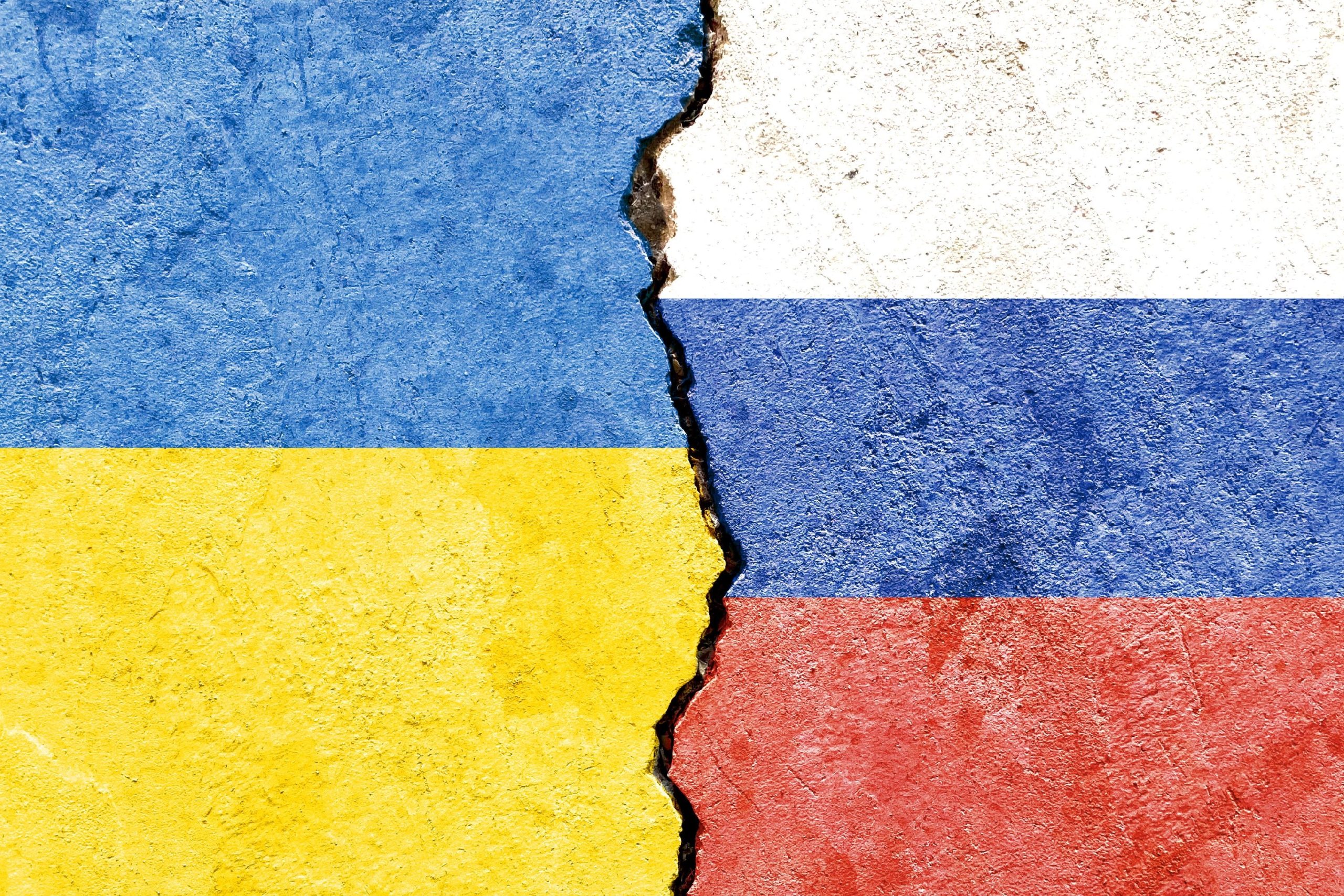
Energy moved to the center of global politics in 2022. Gas, oil and electricity were no longer viewed only as economic resources, but also as strategic tools capable of influencing governments and entire populations. The war in Ukraine intensified existing tensions and forced many countries to rethink long-standing assumptions about energy security and dependence.
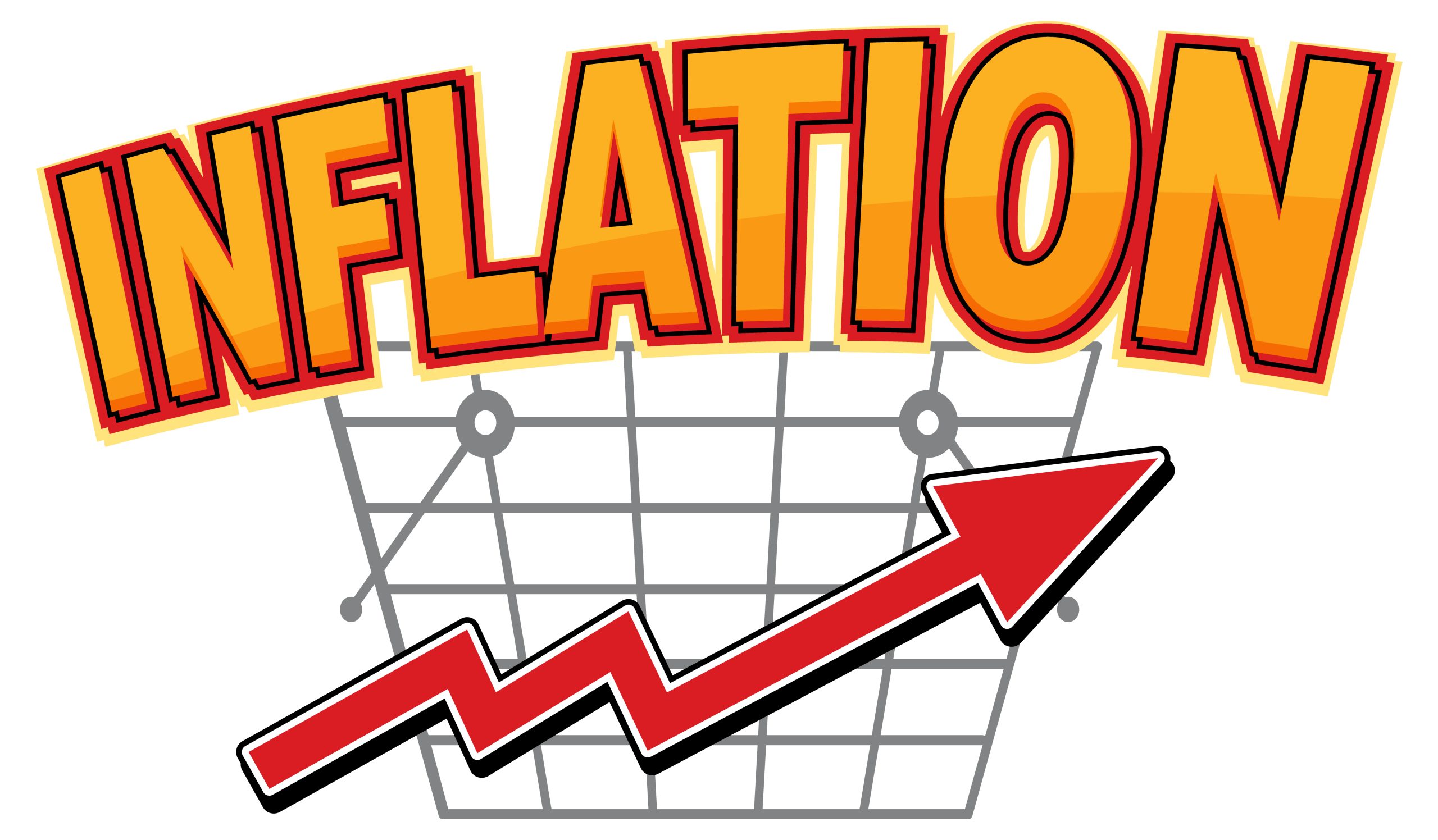
European countries in particular faced enormous pressure as energy prices surged. Governments rushed to secure alternative gas supplies, reopen energy debates and prepare for possible shortages during winter. Consumers experienced rising heating and electricity bills, while businesses worried about manufacturing costs and economic slowdown. Discussions about renewable energy also gained urgency as leaders searched for ways to reduce reliance on unstable external sources.
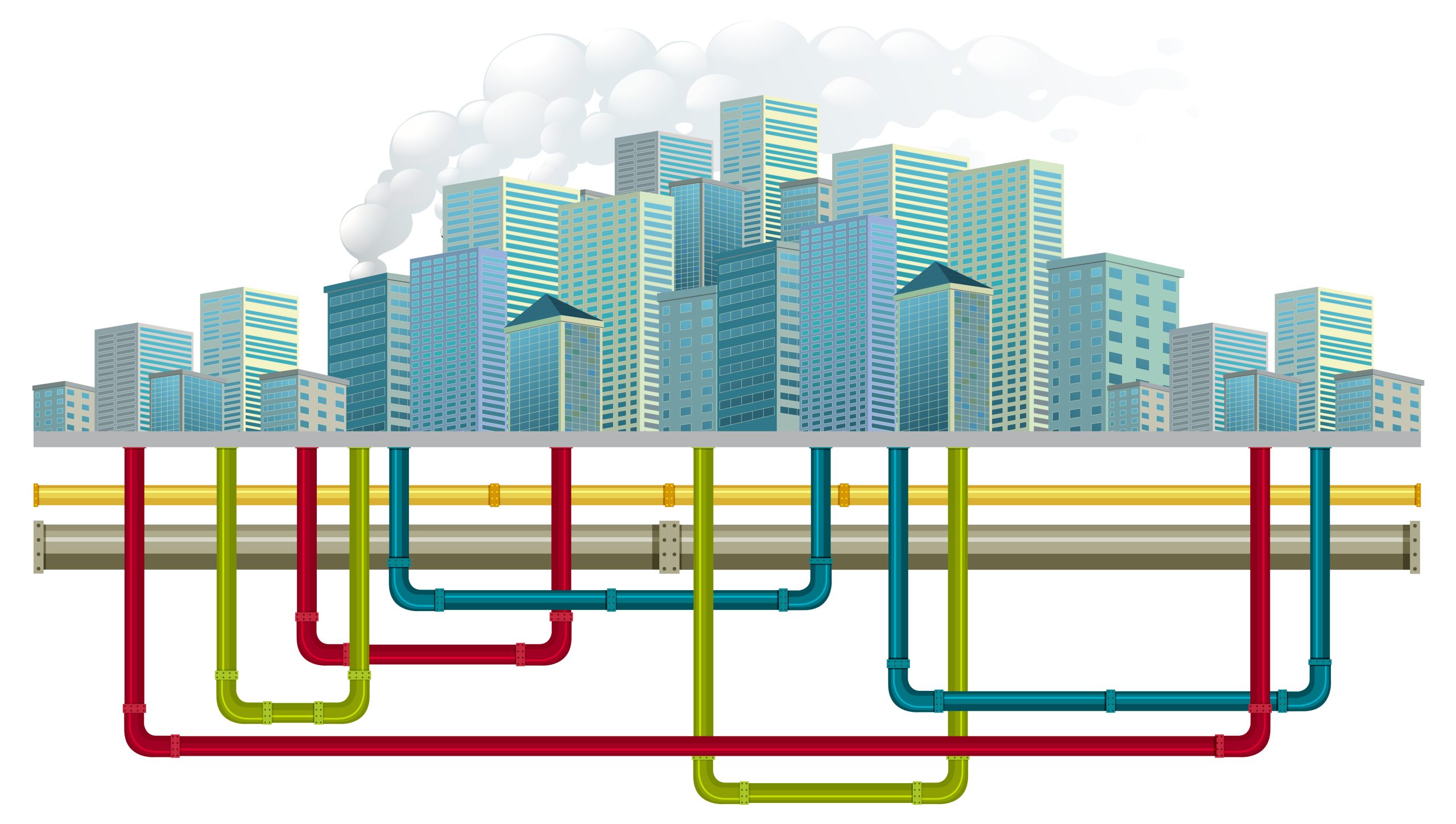
The crisis exposed how deeply interconnected global energy systems had become. Decisions made in one region quickly affected prices and supply chains elsewhere. Political alliances, infrastructure projects and environmental goals all became tied to the question of energy access.
At the same time, the crisis accelerated conversations about long-term transition strategies. Some countries invested more aggressively in renewable technologies, while others temporarily returned to older energy sources in order to stabilize supply. Energy was no longer simply about economics — it had become a central issue of national security and geopolitical influence.