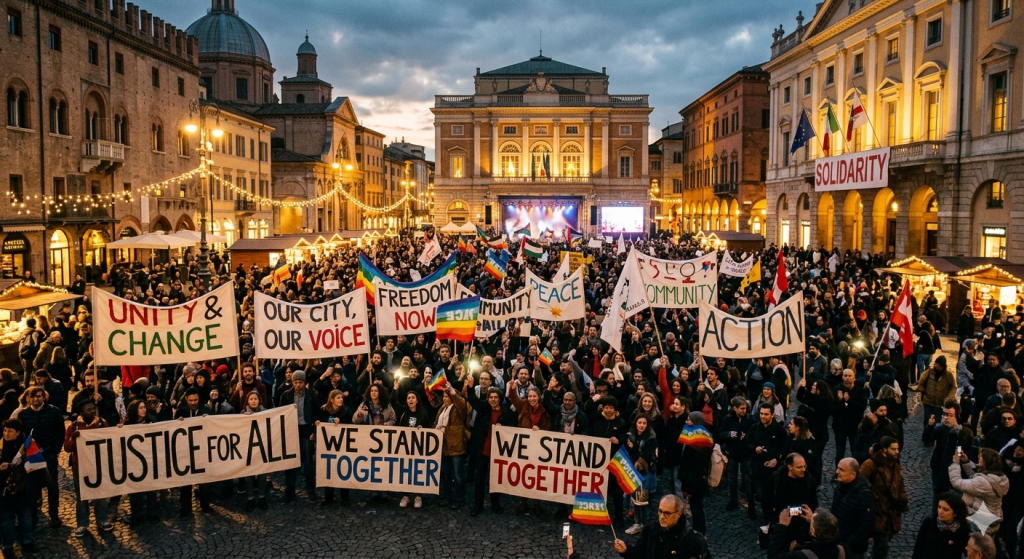
Throughout 2019, protests continued appearing across different parts of the world, from Europe and Latin America to Asia and the Middle East. Although every country had its own reasons and political context, many demonstrations shared a similar mood: frustration with institutions that increasingly felt disconnected from ordinary people. In many cities, public squares became more influential than press conferences or parliamentary speeches. Social media also played a major role, helping local movements quickly become international stories followed by millions online.
What made this wave of protests different was not only the size of the crowds, but the broader sense that traditional political systems were losing credibility. Younger generations especially appeared less willing to wait for slow reforms or trust established parties. Economic inequality, corruption scandals, housing costs and distrust in leadership all contributed to a growing atmosphere of tension. Even in countries with relatively stable economies, people were expressing dissatisfaction with the direction of public life.
By the end of the year, it became clear that global politics was entering a more emotionally charged and unpredictable phase. Governments still controlled institutions, but public pressure was increasingly shaped in real time on the streets and online.