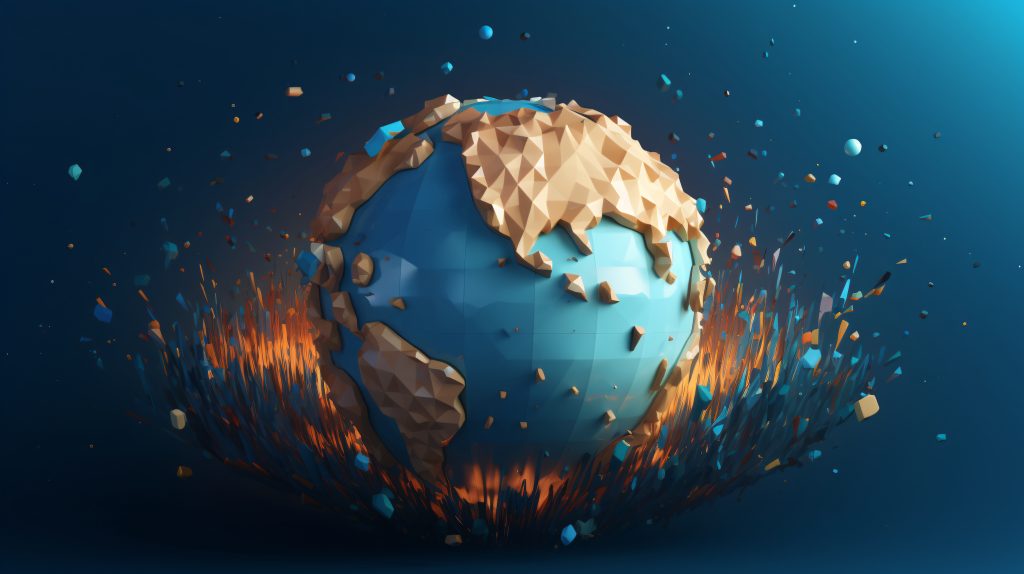
Looking back at 2025, the year felt defined less by optimism and more by realism. Governments, businesses and ordinary people increasingly accepted that many global problems would not have quick or simple solutions. Conflicts continued, climate pressure intensified and technological competition accelerated, creating a world that appeared more fragmented and unpredictable than in previous decades.
Artificial intelligence remained one of the biggest forces shaping international discussions. While AI tools improved productivity and transformed industries, they also increased fears about labor markets, misinformation and concentration of power inside a small number of technology companies. Countries continued competing for technological dominance, treating AI infrastructure almost like strategic military assets.
Climate instability also remained impossible to ignore. Extreme weather events affected transportation, agriculture and insurance systems across multiple regions. Discussions shifted away from whether climate change was real and focused more on how societies could realistically adapt to long-term environmental pressure.
At the same time, public trust in institutions remained fragile. Political polarization, economic inequality and information overload continued shaping social behavior around the world. By the end of 2025, it was clear that the global atmosphere had fundamentally changed. People no longer expected stability by default — uncertainty itself had become part of modern life.