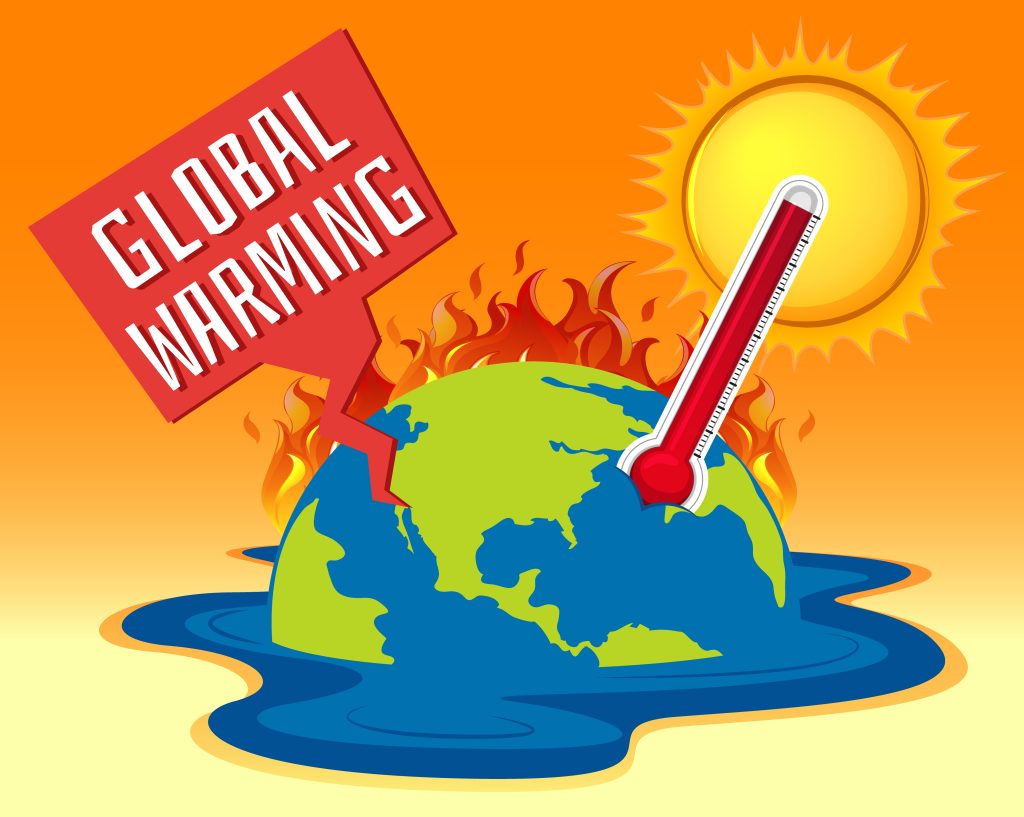
By late 2024, climate discussions had become less theoretical and far more immediate. Record-breaking temperatures, severe storms and environmental disruptions were no longer viewed as isolated events appearing occasionally in the news. Instead, climate instability increasingly shaped infrastructure planning, insurance costs, migration debates and even everyday consumer decisions.
Many cities faced growing pressure to adapt quickly. Heatwaves affected transportation systems, droughts threatened agriculture and flooding damaged urban infrastructure across multiple regions. Governments continued discussing emissions targets and environmental agreements, but public attention shifted more toward practical adaptation and resilience strategies.
Businesses also treated climate risk more seriously than before. Insurance companies reassessed long-term exposure, investors considered environmental vulnerability and corporations faced stronger expectations regarding sustainability commitments. Climate change was no longer simply an environmental topic — it had become deeply connected to economics and national planning.
The emotional impact was equally significant. Constant exposure to climate-related news created a growing sense of anxiety, particularly among younger generations. What once sounded like distant scientific projections now felt visible in everyday weather patterns and global headlines. By 2024, climate instability had become part of ordinary public consciousness rather than a specialized political issue.