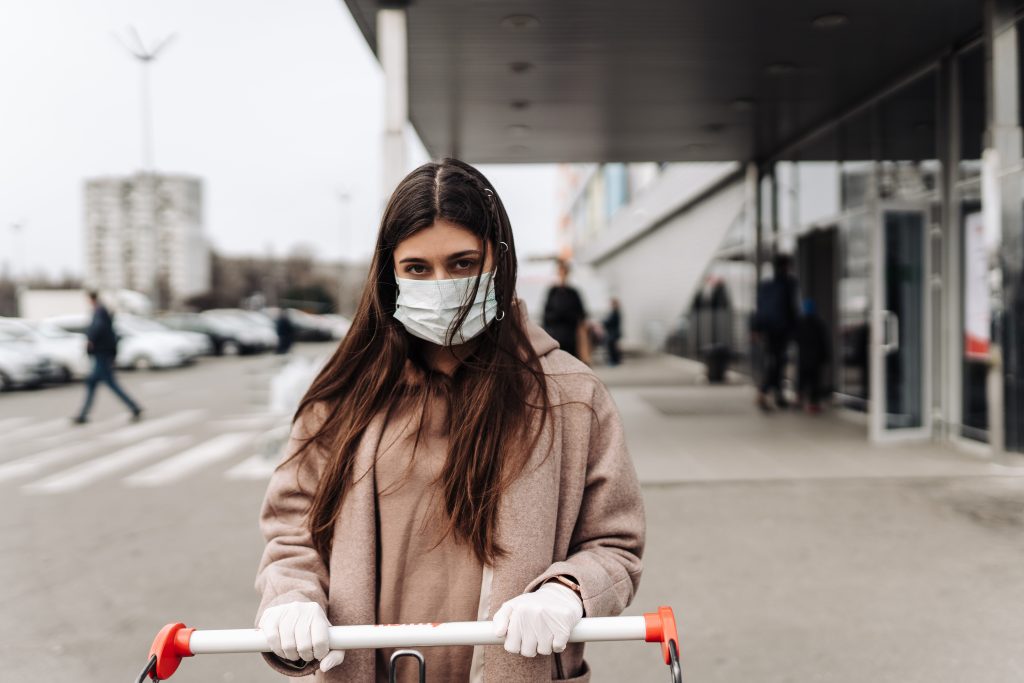
When COVID-19 first appeared in international headlines, many people assumed it would remain a regional health issue. Within a few months, however, the virus had transformed daily life almost everywhere in the world. Airports became empty, offices closed, schools moved online and city streets suddenly looked unfamiliar. The pandemic exposed how interconnected modern societies had become and how quickly disruption could spread across borders.
Governments responded with lockdowns, travel restrictions and emergency economic measures. Some countries acted quickly, while others struggled with coordination and public communication. Healthcare systems faced enormous pressure as hospitals dealt with shortages of equipment, staff and space. At the same time, millions of people suddenly had to adapt to remote work, isolation and economic uncertainty.
The crisis also accelerated trends that were already developing before 2020. Online services, digital communication and delivery platforms became even more important. Public trust in institutions, media and scientific experts became a major political issue in many countries. Social inequality also became more visible as the pandemic affected communities in very different ways.
By the middle of 2020, COVID-19 was no longer simply a health emergency. It had become a global stress test for governments, economies, technology and everyday social life.