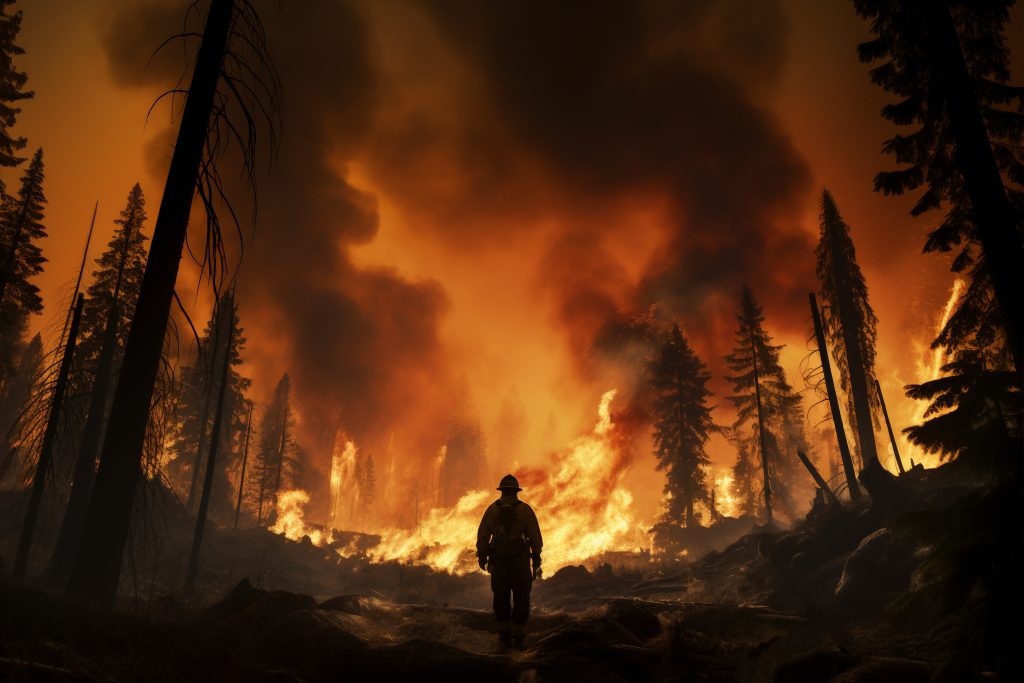
The devastating bushfires in Australia became one of the defining images of late 2019 and early 2020. Massive fires spread across huge areas of land, destroying homes, forests and wildlife habitats while covering cities in smoke for weeks. Images of orange skies, exhausted firefighters and injured animals quickly circulated around the world, turning the disaster into a global symbol of environmental anxiety.
Although Australia regularly experiences wildfire seasons, the scale and intensity of these fires shocked many observers. Scientists, journalists and political leaders debated the connection between extreme weather conditions and climate change, while public frustration grew over environmental policy and emergency preparedness. The fires also demonstrated how quickly local environmental disasters can become international news events in the digital era.
Beyond the immediate destruction, the crisis created a broader emotional impact. Many people viewed the fires as a warning about how vulnerable modern societies remain despite technological progress and economic development. The disaster also highlighted the increasing pressure on emergency services and infrastructure during prolonged climate-related events.
By the time the fires began slowing down, the images from Australia had already become part of a much larger global conversation about climate, resilience and the future of environmental risk.